
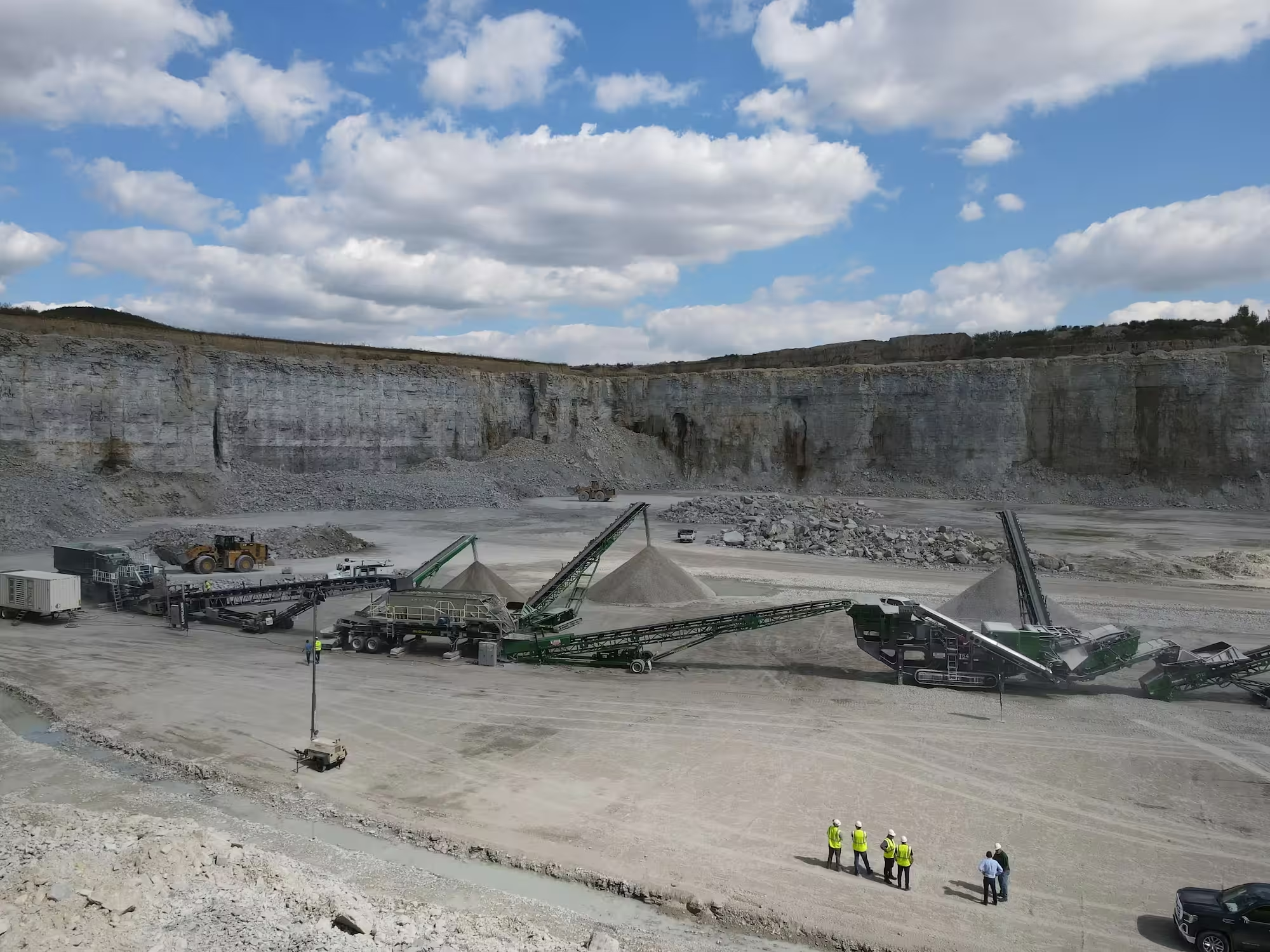
Understanding Real Mobile Crushing Cost Factors
Estimating an accurate crushing cost before bidding a demolition teardown, highway job, or quarry run requires looking past the base machine rate. Whether you operate a rented spread or own your machines outright, real cost per ton depends on how fast material moves through the chamber, how abrasive that material is, and how many supporting machines are required to feed, screen, and stockpile finished aggregate.
At Used & New Equipments Home, we help contractors across 13 Midwest states model real jobsite expenses using transparent published rental rates and hands-on field experience from our Lemont, Illinois headquarters and regional yards. Below is a breakdown of the six core line items that determine total crushing cost—plus our live Midwest rental rate tables.
1. Equipment Rental or Ownership Cost
For contractors without a dedicated crusher, published equipment rental rates provide the clearest starting benchmark. The tables below pull directly from our current Midwest rental fleet (rental-fleet.json) and cover compact tracked crushers, full-size tracked jaw crushers, horizontal shaft impactors, and cone plants:
Jaw crusher rental rates
| Model | Output | Feed / size | Transport weight | Weekly | Monthly |
|---|---|---|---|---|---|
 Komplet K-JC 503 | up to 35 tph | 19″x12″ | 49,600 lbs | $1,366 | $4,100 |
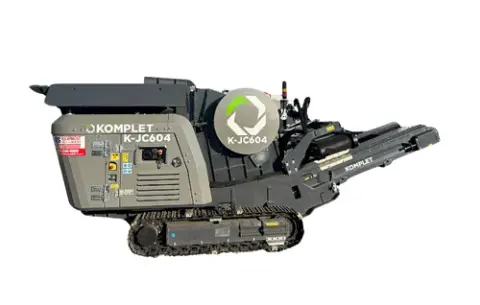 Komplet K-JC 604 | up to 55 tph | 23″x16″ | 19,400 lbs | $3,325 | $9,975 |
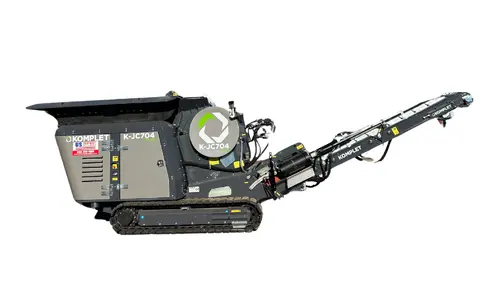 Komplet K-JC 704 | up to 90 tph | 27''x16'' | 26,455 lbs | $4,116 | $12,350 |
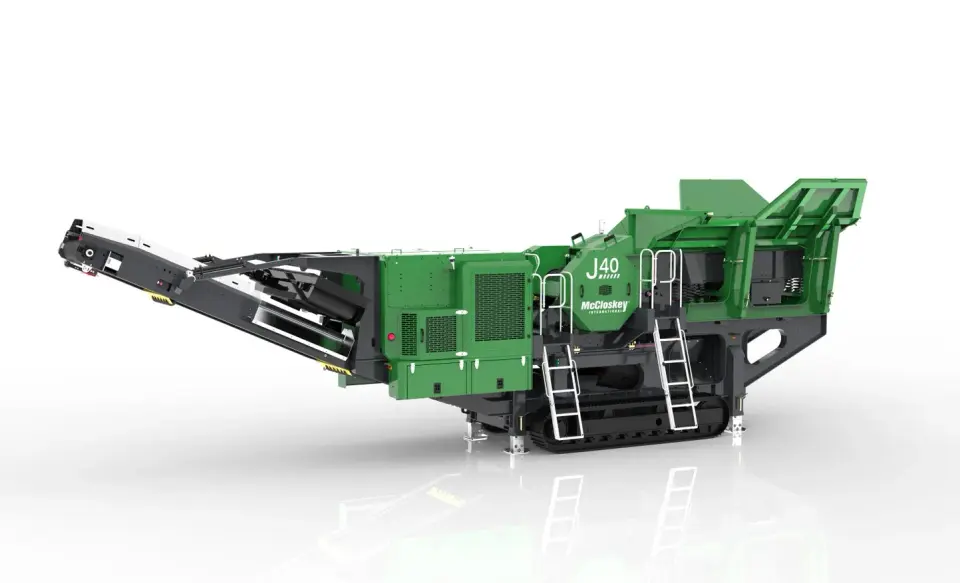 McCloskey J40v2 | up to 325 tph | 40"x24" | 81,440 lbs | $8,333 | $25,000 |
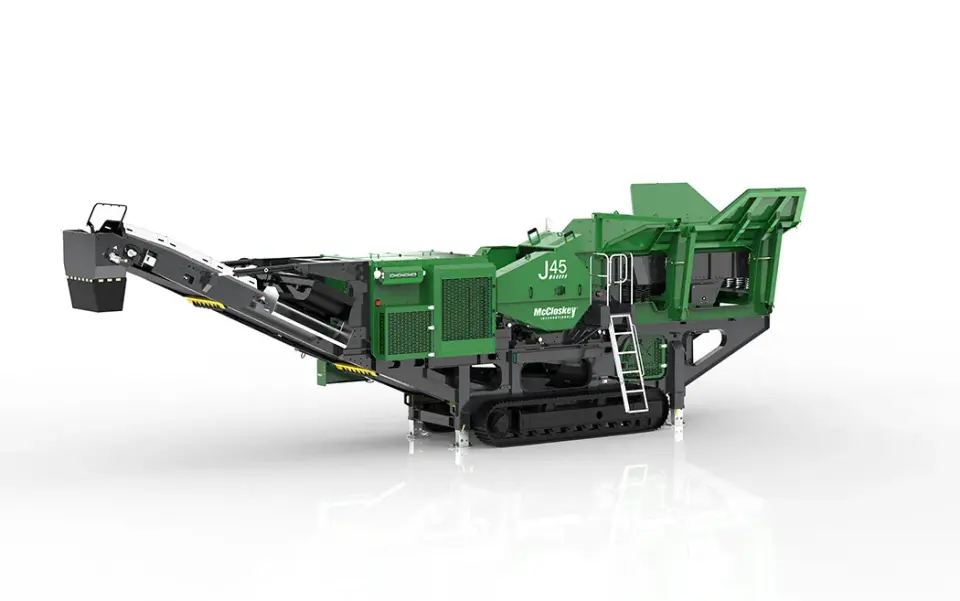 McCloskey J45 | up to 425 tph | 45''x27'' | 96,783 lbs | $9,333 | $28,000 |
| McCloskey J45 Volvo | up to 425 tph | 45''x27'' | 96,783 lbs | $9,333 | $28,000 |
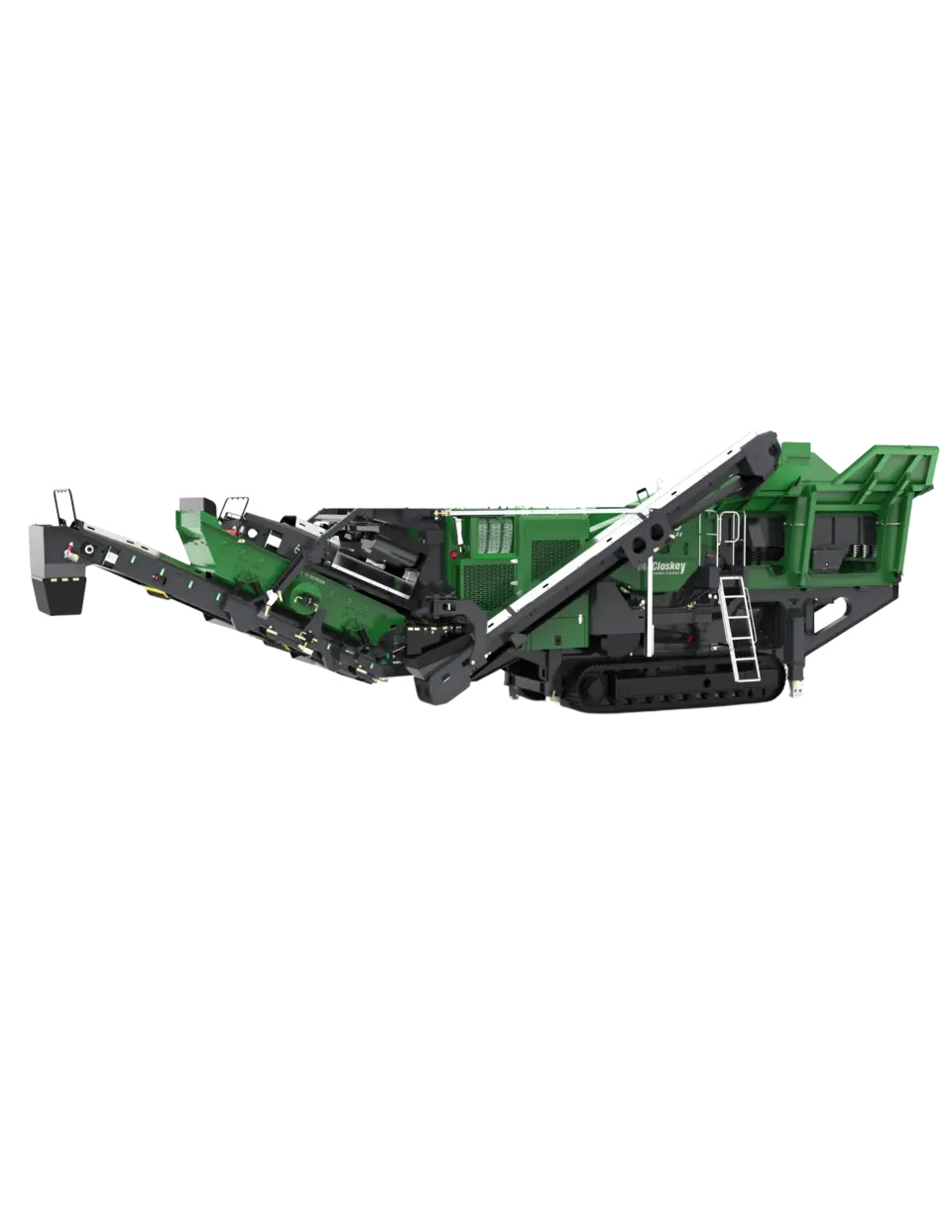 McCloskey J45R | up to 350 tph | 45"x27" | 123,500 lbs | $10,833 | $32,500 |
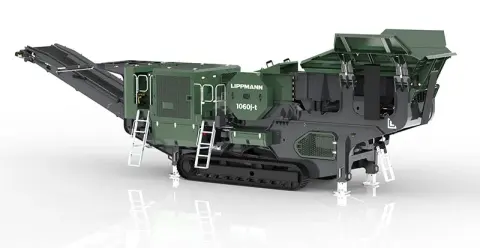 Lippmann 1060J | up to 400 tph | 42''x28'' | 106,900 lbs | $11,666 | $35,000 |
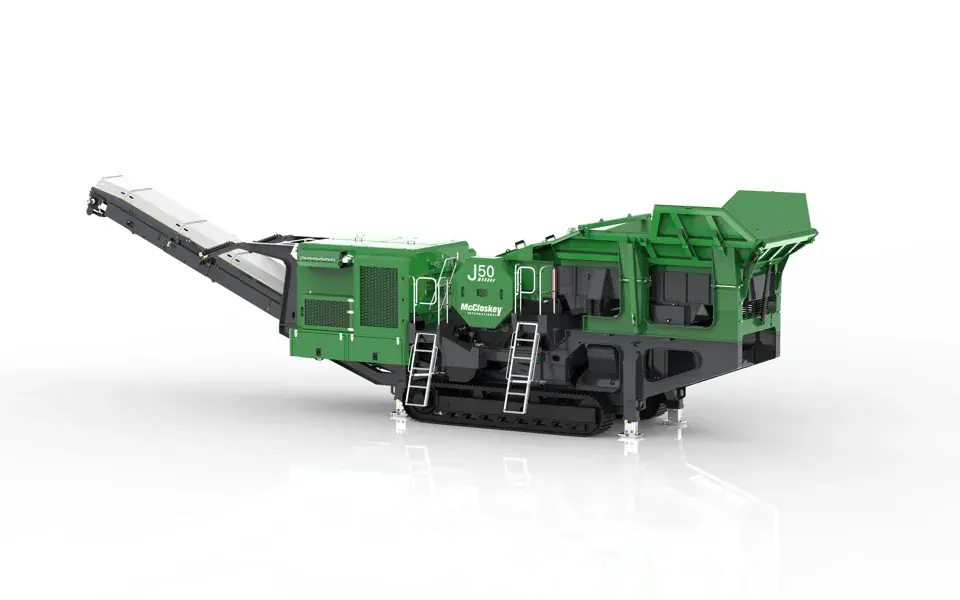 McCloskey J50 | 50" x 29" | 129,411 lbs | $11,666 | $35,000 | |
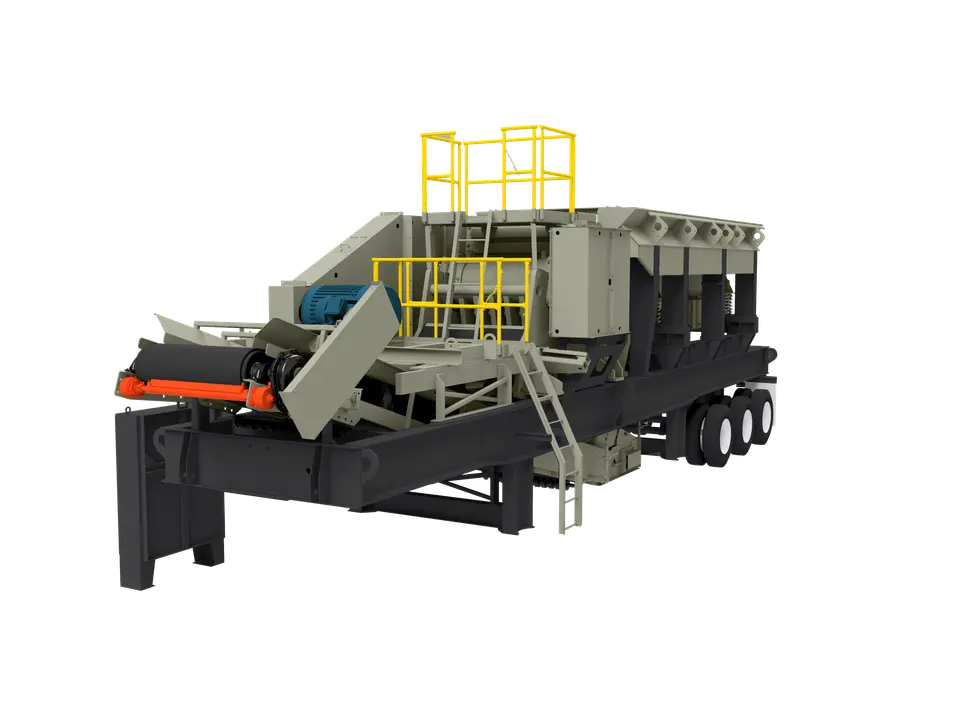 Astec CS3055 | up to 550 tph | 30″x55″ | 131,000 lbs | $13,333 | $40,000 |
 Lippmann 3048j-w | up to 755 tph | 30''x48'' | 122,000 lbs | $13,333 | $40,000 |
| Astec CS3244 | 123,500 lbs | $15,000 | $45,000 | ||
 Lippmann 3055 j-w | up to 860 tph | 30''x55'' | 166,250 lbs | $15,000 | $45,000 |
 LIPPMANN 1200J | up to 400 tph | 48''x34'' | 164,240 lbs | $15,666 | $47,000 |
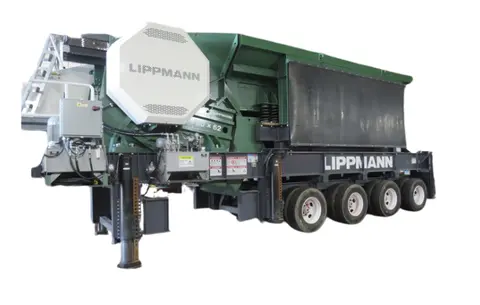 Lippmann 3062J-W | up to 882 tph | 62"x18' | 160,750 lbs | $16,666 | $50,000 |
Impact crusher rental rates
| Model | Output | Feed / size | Transport weight | Weekly | Monthly |
|---|---|---|---|---|---|
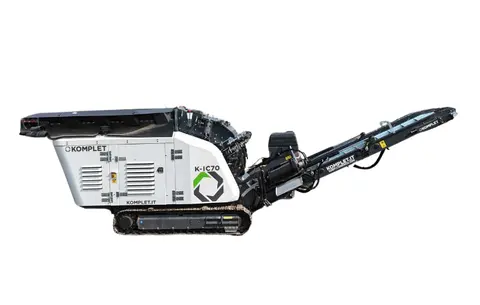 Komplet K-IC 70 | up to 90 tph | 25''x20'' | 28,600 lbs | $3,500 | $10,500 |
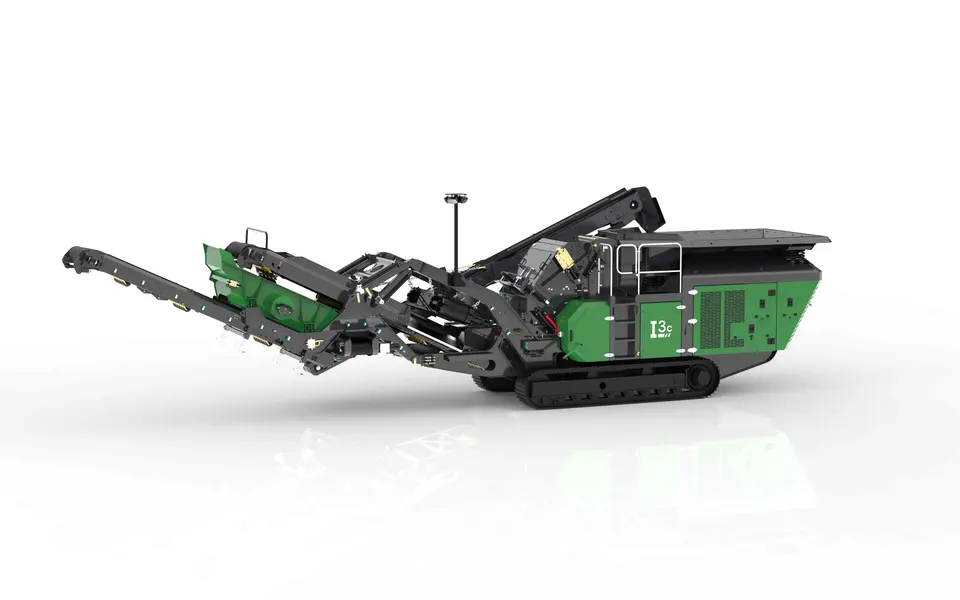 McCloskey I3CR | up to 300 tph | 60,627 lbs | $8,333 | $25,000 | |
 McCloskey I4C | up to 350 tph | 80,469 lbs | $10,000 | $30,000 | |
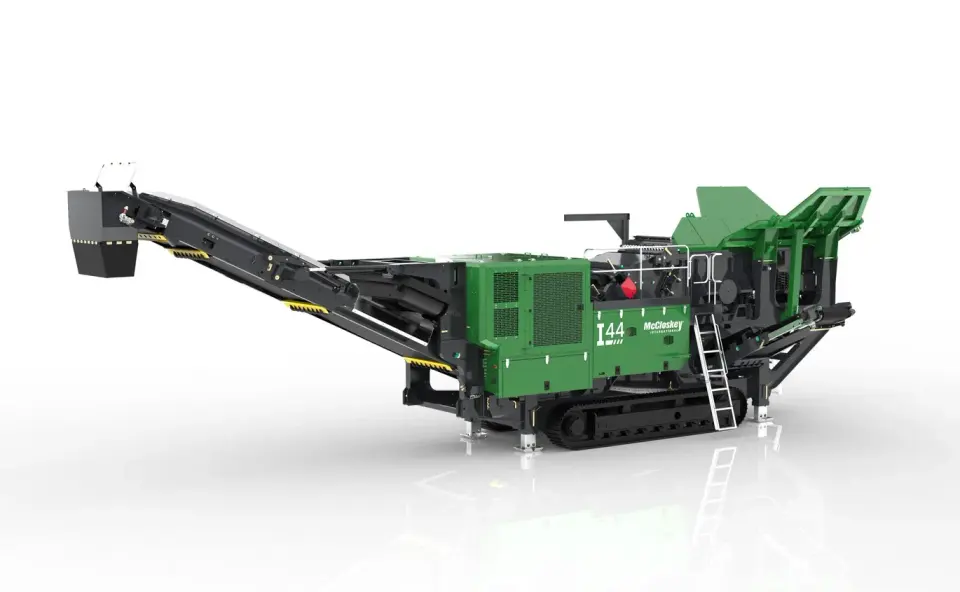 McCloskey I44v3 | up to 350 tph | 45.2''x27.9'' | 92,594 lbs | $10,166 | $30,500 |
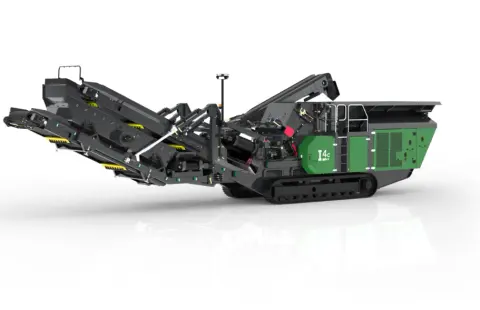 McCloskey I4CR | up to 400 tph | 45"x31" | 90,390 lbs | $10,833 | $32,500 |
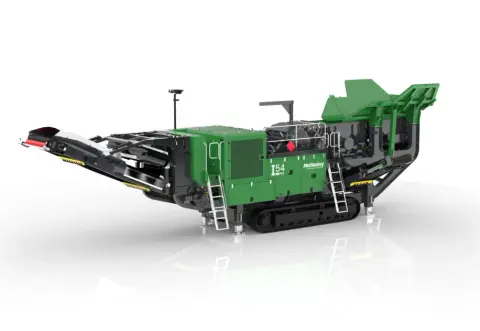 McCloskey I54v3 | up to 500 tph | 53"x37" | 116,624 lbs | $11,833 | $35,500 |
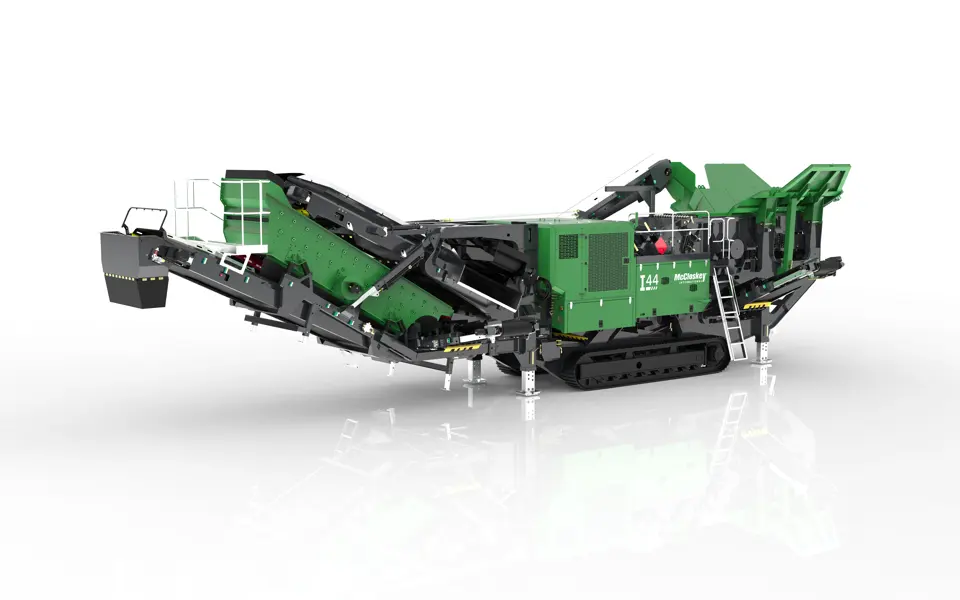 McCloskey I44Rv3 | up to 400 tph | 45"x27" | 90,000 lbs | $12,166 | $36,500 |
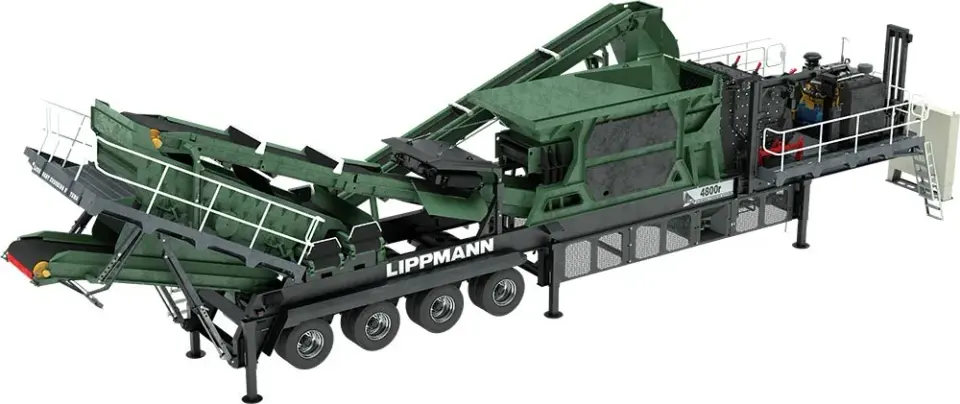 Lippmann 4800R | up to 400 tph | 42, | 163,000 lbs | $15,000 | $45,000 |
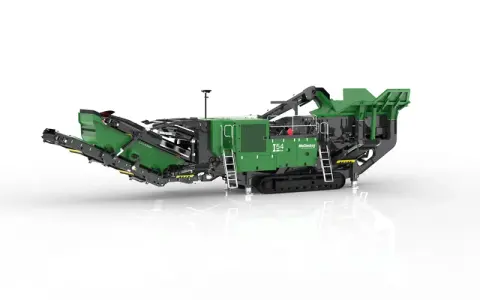 McCloskey I54Rv3 | up to 500 tph | 53"x37" | 144,908 lbs | $15,000 | $45,000 |
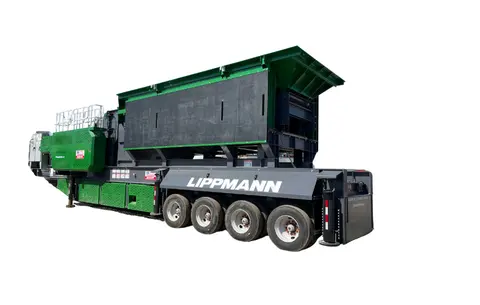 Lippmann 5165i | up to 550 tph | 66"x40" | 137,080 lbs | $16,000 | $48,000 |
Cone crusher rental rates
| Model | Output | Feed / size | Transport weight | Weekly | Monthly |
|---|---|---|---|---|---|
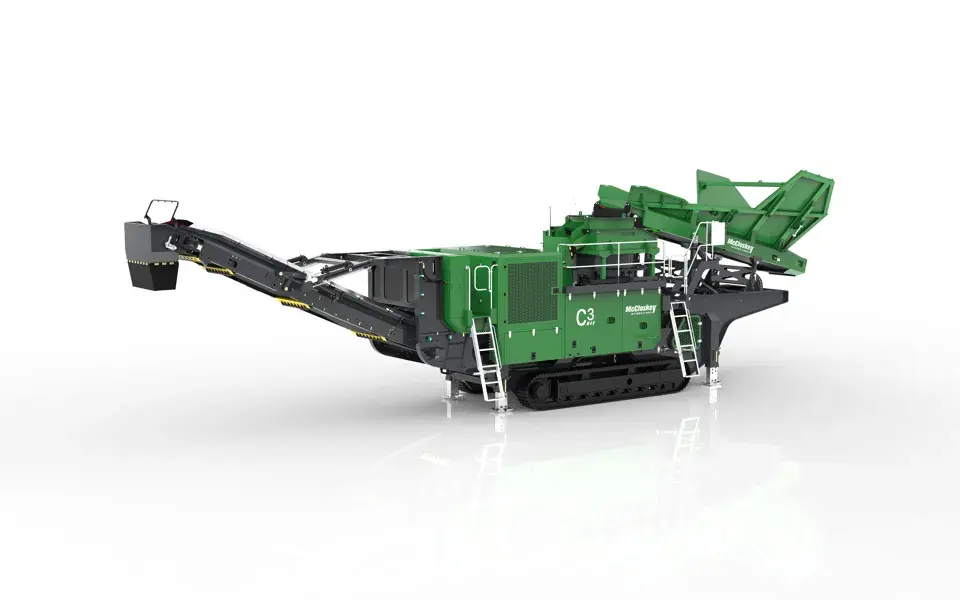 McCloskey C3 | up to 485 tph | 41" | 113,318 lbs | $12,666 | $38,000 |
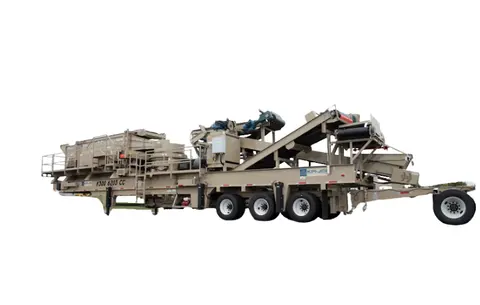 T300 / 6203 CC Portable Cone & Screen Plant | up to 510 tph | 133,500 lbs | $16,666 | $50,000 | |
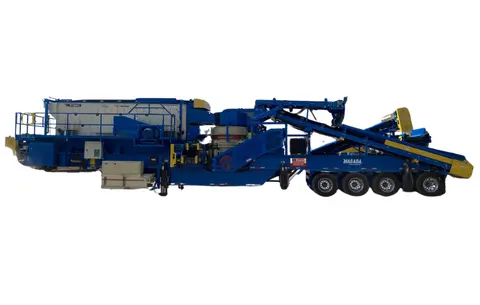 Masaba HP300 | up to 400 tph | 41" | 133,500 lbs | $18,000 | $54,000 |
Rental terms
- A rental agreement must be signed, and an account must be established prior to pick up or delivery.
- New customers are subject to training on equipment and sign a waiver.
- Rates are based on an 8 hour day, 40 hour week, & 176 hour month. Rates are based on timeout, not time used. Additional hours will be billed accordingly.
- Physical Damage & Liability Insurance is required from the Lessee for the equipment against damage, theft, or vandalism. A certificate of insurance is needed in order to rent equipment.
- All rentals are subject to availability.
For owned equipment, substitute your monthly finance payment, depreciation, insurance, and scheduled preventative maintenance divided by expected monthly tonnage. TODO(owner): Insert verified regional cost-per-ton benchmark ranges (e.g., typical Midwest contract crushing $/ton ranges for concrete vs. limestone vs. hard rock) once confirmed by management.
2. Wear Parts: Jaw Dies, Blow Bars, and Cone Liners
Wear metal is the variable expense that catches inexperienced estimators off guard. Every ton of rock or concrete removes steel from the crushing chamber:
| Crusher Type | Primary Wear Components | Material Sensitivity | Cost-Control Lever |
|---|---|---|---|
| Jaw Crusher | Fixed & swing manganese jaw dies, cheek plates, toggle plates | Low-to-moderate wear even in abrasive granite and rebar concrete | Flip symmetrical dies on schedule; pre-scalp fines ahead of jaw |
| Impact Crusher (HSI) | Rotor blow bars, primary/secondary aprons, side liners | Low wear in asphalt/limestone; high wear in high-silica granite | Match bar metallurgy (martensitic, ceramic, high-chrome) to feed |
| Cone Crusher | Eccentric mantle and concave bowl liner | Economical wear profile in hard abrasive stone and gravel | Maintain consistent choke feeding and clean, fines-free feed |
TODO(owner): Add verified internal wear-cost-per-ton reference ranges by material type (concrete, limestone, granite) if you wish to publish average wear figures.
3. Mobilization, Heavy Haul Permits, and Setup
Tracked jaw, impact, and cone crushers travel on multi-axle lowboy trailers—often requiring oversize/overweight state permits depending on transport weight and route. Because round-trip freight costs roughly the same whether you crush 2,500 tons or 25,000 tons, mobilization becomes a major slice of per-ton crushing cost on small jobs.
On tight urban sites or smaller piles, renting or buying a compact tracked crusher (such as a Komplet unit) can cut freight and permitting costs sharply compared to mobilizing a full-size quarry plant. Our in-house heavy haul fleet quotes exact delivered pricing across Illinois, Iowa, Wisconsin, Missouri, and neighboring Midwest states.
4. Diesel Fuel, Lubrication, and Daily Maintenance
Crushing spreads burn fuel across every diesel engine on site—not just the crusher itself. A complete crushing cost worksheet should account for:
- Crusher engine fuel burn (varies with engine load, material hardness, and closed-side setting).
- Feeding equipment fuel (excavator or wheel loader feeding the hopper continuously).
- Companion plant fuel (downstream mobile screener and stacking conveyors, if used).
- Daily lubrication, DEF, and filters (high-vibration screen and crusher bearings require strict daily greasing).
TODO(owner): Provide verified average gallons-per-hour fuel burn ranges for representative McCloskey/Lippmann models if you want specific hourly fuel figures listed here.
5. Companion Machines: Feeders, Screeners, and Stackers
Rarely does a crusher work completely alone. Budgeting the full spread upfront keeps job bids realistic:
- Pre-processing attachments: Thick reinforced concrete slabs may need an excavator hydraulic hammer or asphalt and concrete pulverizer to cut rebar and size chunks before feeding.
- Screening: Making multiple clean aggregate grades requires pairing a dirt or rock screener rental behind the crusher unless you run a closed-circuit recirculating impactor.
- Stockpiling: Adding a dirt or aggregate conveyor rental builds taller piles and cuts wheel-loader clearing cycles.
6. Rent vs. Buy: Choosing the Lowest Long-Term Crushing Cost
Use three simple checks when deciding whether to rent or purchase:
- Annual utilization: If you crush fewer than roughly four to six months per year, renting a rock crusher keeps fixed payments off your books during idle winter months.
- Project predictability: Monthly rentals at Used & New Equipments Home are three times the weekly rate (176 hours included), giving steady multi-month contracts predictable unit pricing.
- Long-term growth: Once crushing becomes a core recurring revenue stream, compare monthly rental totals against financing a new or used rock crusher for sale through our commercial lenders (Wells Fargo, DLL, BOK, Northland Capital, Ridgestone, and Union Capital Associates).
Want a real-world equipment and freight quote tailored to your tonnage, material, and Midwest ZIP code? Call Used & New Equipments Home at (765) 942-1514 or explore our crusher rentals and crushers for sale.
Reviewed by: TODO(owner): Add named reviewer/author name, title, and industry credentials.
By the Used & New Equipments Home sales team. Questions? Call (765) 942-1514.