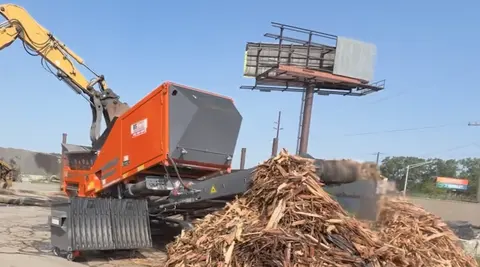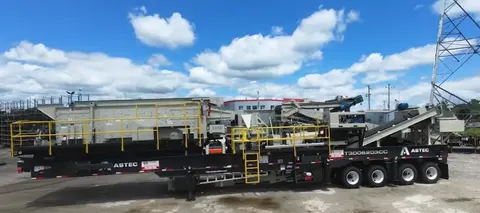
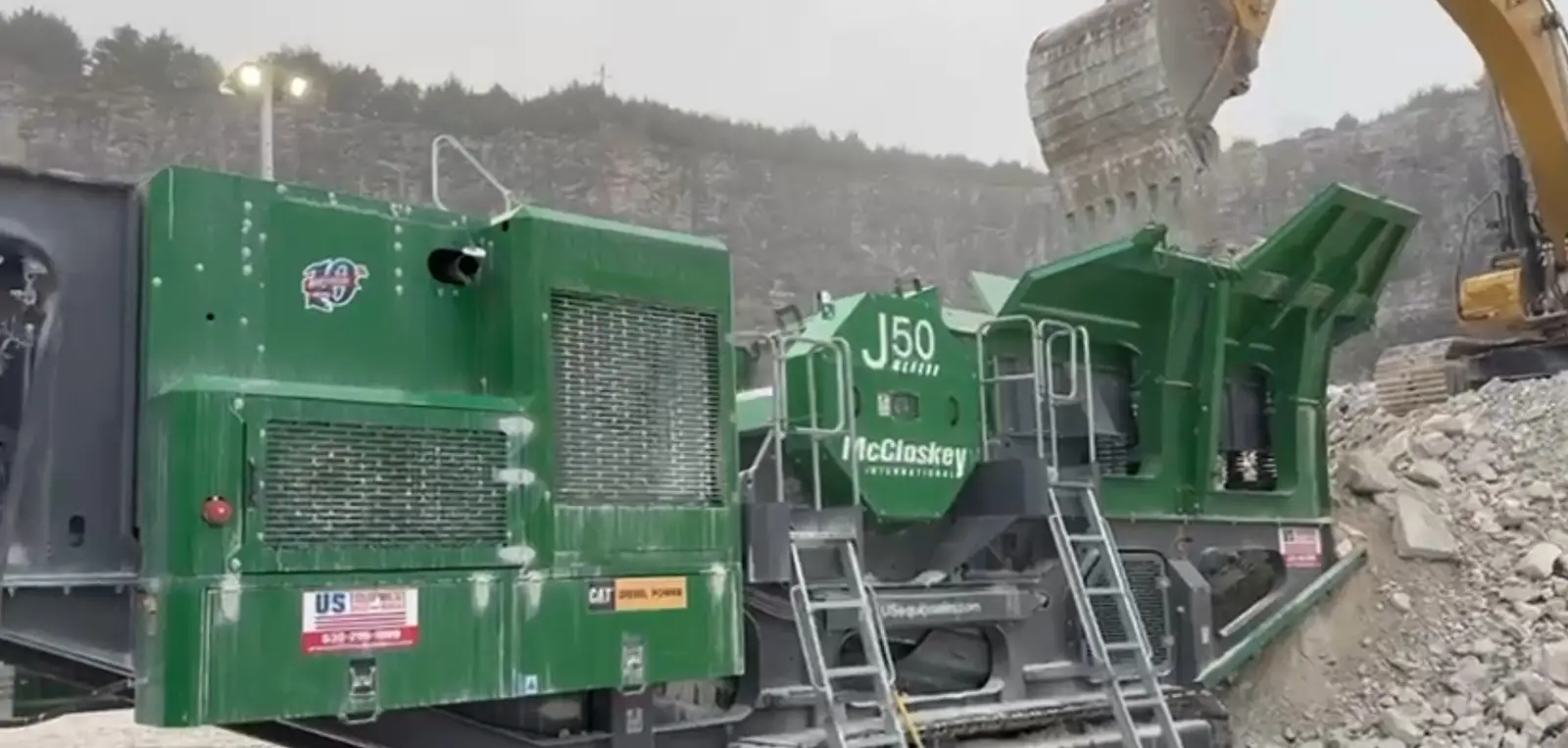
The McCloskey J50 can be a strong fit for limestone producers that need a heavy-duty mobile jaw crusher for primary crushing. Its large 50" x 29" jaw opening gives operators room to handle substantial feed material, while its mobile design makes it suitable for quarry, aggregate, and production crushing operations.
For limestone, the J50 makes the most sense when the job requires consistent primary reduction before material moves to screening, secondary crushing, or stockpiling. The right crusher still depends on feed size, desired finished product, production goals, moisture, fines, and the rest of the crushing spread.
Used & New Equipments Home carries new and used McCloskey J50 jaw crushers for sale as inventory becomes available. Buyers comparing J50 machines should also pay close attention to model year, configuration, engine, operating hours, and wear condition because specifications can vary between units.
Why Limestone Is a Natural Fit for a McCloskey J50
Limestone operations often begin with primary crushing to reduce larger material to a size that can be screened, stockpiled, or sent to a secondary crusher.
The J50 is designed for demanding primary crushing applications. Its large jaw opening gives operators the ability to accept larger feed while the mobile chassis allows the crusher to be repositioned as production needs change.
Primary Crushing
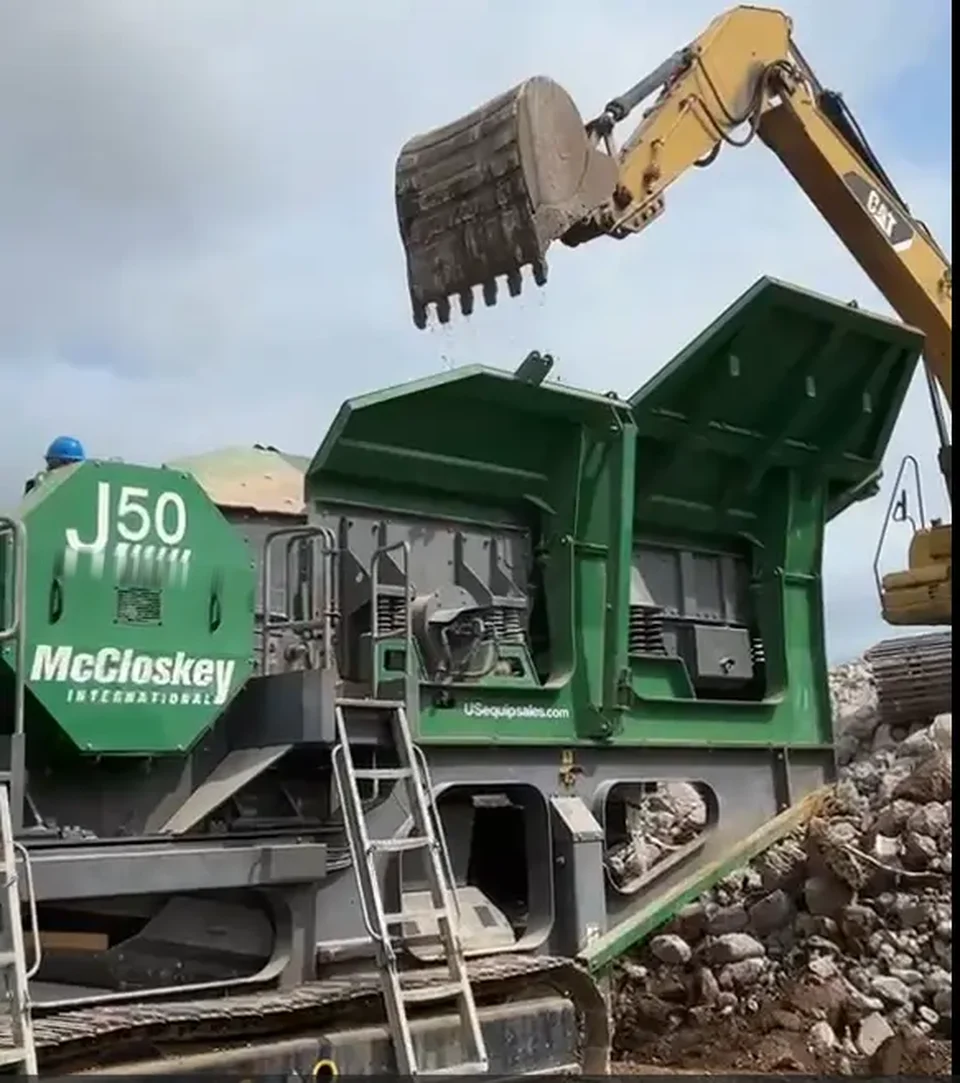
A jaw crusher is commonly positioned at the front of a crushing spread. Material enters the jaw first, where it is reduced before moving to the next stage.
For limestone producers working with larger feed, the J50's 50-inch-wide jaw can reduce the amount of preparation required before material reaches the crusher.
Quarry and Aggregate Production
The J50 is designed around high-capacity crushing applications, making it relevant to quarry and aggregate operations where material needs to keep moving through the plant.
It can also be integrated with downstream equipment such as screeners and stackers to create a complete mobile crushing spread.
Large Feed Material
One of the J50's defining features is its 50" x 29" single-toggle jaw. The larger opening can be useful when the operation needs to process substantial limestone feed without stepping down to a smaller crusher first.
McCloskey currently describes the J50 as having the widest jaw in its class.
McCloskey J50 Specs That Matter for Limestone
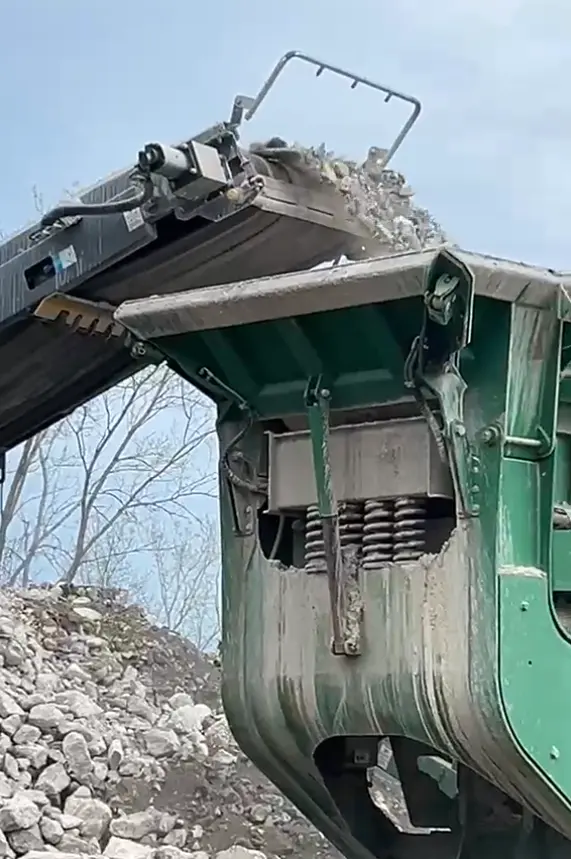
Not every specification has the same importance when choosing a limestone crusher. Feed opening, material handling, stockpile height, engine configuration, and transport requirements are particularly useful when determining whether a J50 fits an operation.
Feed Opening: 50" × 29"
The large jaw opening determines the size of material the crusher can accept and is especially relevant for larger primary feed.
Jaw Type: Single Toggle
A primary crushing configuration designed for demanding material reduction applications.
Engine: 350–361 hp on McCloskey's current J50 reference specifications
Engine specifications can vary by model year and machine configuration.
Main Conveyor Stockpile Height: 13' 11"
Provides additional discharge height for stockpiling and downstream material handling.
Side Conveyor Stockpile Height: 8' 6"
Useful when separating fines or directing material within a crushing spread.
Prescreen Feeder: Optional
Can remove fines before material enters the crushing chamber, depending on configuration.
Transport Width: 9' 10" on current McCloskey reference specifications
An important consideration when planning equipment moves between jobsites.
*Specifications vary by model year, market and machine configuration. Current Used & New Equipments Home J50/J50V2 inventory includes units with CAT C9.3/C9.3B engines listed at 375 hp and transport weights around 130,702 lb, so buyers should verify specifications for the individual stock number before purchasing.
Why the 50" x 29" Jaw Matters
Feed opening is one of the first specifications to consider when sizing a crusher.
A larger jaw does not automatically guarantee higher production. Actual output is affected by material characteristics, feed size, crusher settings, operator technique, downstream capacity, and other job conditions.
However, the J50's large opening gives limestone operations additional room to work with larger primary feed.
Optional Prescreen
An optional prescreen can be valuable when the feed contains material that does not need to pass through the crushing chamber.
Removing fines before crushing can help the rest of the system process the material more efficiently, depending on the application and configuration.
When a J50 Makes More Sense Than a Smaller Jaw Crusher
Bigger is not automatically better.
A smaller jaw crusher may make more sense for lower production requirements, tighter jobsites, smaller feed, or operations where transportability is the highest priority.
A J50 becomes more attractive when the operation calls for:
- Larger primary feed material
- Higher production requirements
- Quarry or aggregate primary crushing
- Longer production runs
- Integration with screeners and stackers downstream
- A mobile crusher that can still serve as the primary jaw in a larger spread
For contractors with lower volumes or smaller feed, a smaller McCloskey jaw may be more economical.
The decision should be based on the entire production system rather than jaw size alone.
How a J50 Fits Into a Limestone Crushing Spread
The jaw crusher is only one part of the production process.
A typical mobile limestone operation may use the J50 as the primary crusher, followed by screening equipment to separate material into required sizes. Depending on the desired finished product, oversized material may then move through additional crushing or screening stages.
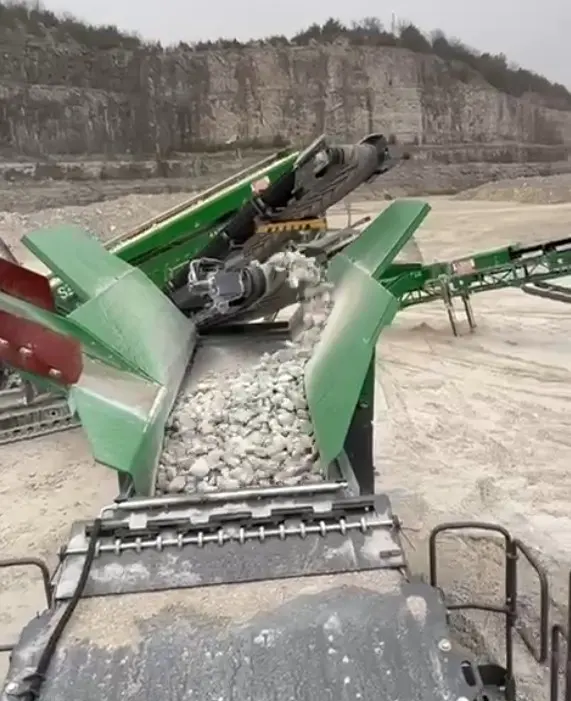
This is where the J50's material-handling capabilities become important.
A properly matched spread keeps one machine from becoming the bottleneck. A large primary crusher provides little benefit if the screen, conveyor, or secondary crusher cannot keep up with its output.
Before choosing a J50, operators should consider:
- Maximum feed size
- Required finished material size
- Desired tons per hour
- Screen capacity
- Secondary crushing requirements
- Stockpile requirements
- Loader and excavator capacity
- Transportation between sites
Used & New Equipments Home can help buyers evaluate the crusher as part of the complete production setup rather than looking at one specification in isolation.
New and Used McCloskey J50 Crushers for Sale
Both new and used equipment can make sense depending on budget, utilization and how quickly a machine is needed.
Used & New Equipments Home's live McCloskey J50 specs and available inventory page includes available units as inventory changes.
Rather than relying on a static list in this article, buyers should check the model page for current machines, hours, pricing, photos and stock numbers.
Current inventory may include both J50 and J50V2 configurations, so compare the individual machine specifications before assuming two units are identical.
What to Inspect on a Used McCloskey J50
When buying a used jaw crusher, machine condition can matter just as much as the number of hours displayed.
A thorough inspection should include the major crushing and material-handling components.
Jaw Dies
Check the jaw dies for remaining wear life and uneven wear patterns.
Worn dies may affect crushing performance and can represent an immediate replacement cost after purchase.
Toggle and Cheek Plates
Inspect the toggle components and cheek plates for wear or damage.
These parts operate in a demanding environment and should be included in any pre-purchase crusher inspection.
Feeder Condition
Look at the feeder, hopper, liners, and other high-wear areas where material enters the machine.
Heavy limestone production can put considerable material through these components over the life of the crusher.
Conveyor Belts
Inspect the main and side conveyor belts for wear, tracking issues, damage and previous repairs.
Also check rollers and other conveyor components.
Engine Hours
Hours provide useful context, but they should not be evaluated by themselves.
A higher-hour crusher with documented maintenance may be a better purchase than a lower-hour machine with poor service history.
Hydraulics
Look for leaks, damaged hoses and signs of previous hydraulic repairs.
Operate hydraulic functions during the inspection whenever possible.
Service History
Ask for available maintenance and service documentation.
Records can help buyers understand how the machine was maintained and identify major components that have already been repaired or replaced.
J50 vs. Machine Condition: Which Matters More?
Specifications tell you what a crusher was designed to do.
Condition tells you what the particular machine you are considering may be ready to do today.
That distinction becomes especially important with used crushing equipment.
Two McCloskey J50 crushers from different years can have the same basic jaw size but different:
- Engines
- Hours
- Wear components
- Options
- Prescreen configurations
- Service history
- Transport configuration
- Overall condition
For that reason, buyers should evaluate the individual stock number rather than purchase based solely on the J50 model name.
Talk to Used & New Equipments Home About a McCloskey J50
If your limestone operation requires a mobile primary jaw crusher capable of accepting large feed material, the McCloskey J50 deserves consideration.
Used & New Equipments Home can help you compare available machines, configurations, hours and equipment condition based on the needs of your crushing operation.
View new and used McCloskey J50 crushers for sale
Call Used & New Equipments Home: (765) 942-1514
Availability changes, so contact the Used & New Equipments Home team for current inventory, additional photos, machine specifications or inspection information.